Bisexual representation in television and film: progress and opportunities
September 19, 2025In recent years, there has been a noticeable increase in the representation of bisexuality in television and film, as the media industry finally begins to acknowledge and embrace the diverse experiences of the LGBTQ+ community. While this positive trend is encouraging, there is still work to be done to ensure accurate and nuanced portrayals that counter stereotypes and provide authentic representation.
Here, we take a look at the positive aspects of bisexual representation, and what can be improved.
Visibility and Normalization
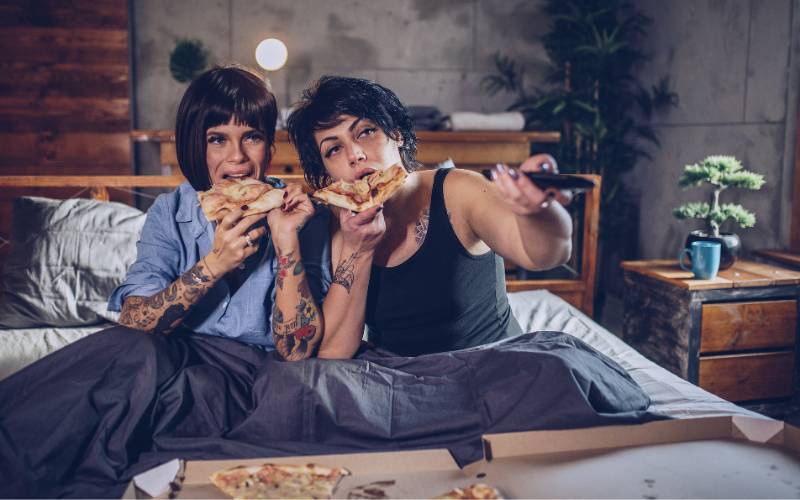
One significant positive aspect of bisexual representation in television and film is its potential to increase visibility and normalize bisexuality. By showcasing characters who openly identify as bisexual, media has the power to challenge common stereotypes and educate viewers about the fluidity of human sexuality. There are many people who don’t have any (openly) bisexual friends or family, so TV and film can provide representation of an identity that they might otherwise.
Stereotypes and Oversimplification
While progress has been made, bisexual characters are sometimes subjected to stereotypes, such as being portrayed as promiscuous, indecisive, or seeking attention. These narrow representations perpetuate harmful stereotypes and fail to capture the diverse experiences and identities within the bisexual community. What once existed as harmful stereotypes that existed solely within the walls of the community, are now being portrayed to audiences of millions. To improve, scriptwriters must challenge these tropes and invest in more authentic and nuanced storytelling.
Complex and Authentic Storytelling
Though they’re quite rare to come by, the well-developed bisexual characters that do exist bring depth and complexity to storytelling. By exploring their experiences, the media can shed light on the unique challenges and joys faced by bisexual individuals. Thoughtful storytelling allows viewers to empathize with and relate to these characters, inspiring understanding and acceptance.
Bi-Erasure and Invisibility
Bisexual erasure, the tendency to overlook or invalidate bisexuality, remains a prevalent issue in television and film. Even characters who have expressed interest in more than one gender are often labeled as gay or straight depending on who they’re in a relationship with, erasing their bisexual identity entirely. Additionally, bisexual characters are often overshadowed and relegated to supporting roles. It is crucial for writers to actively acknowledge and affirm bisexuality to counter this erasure and provide accurate representation.
Intersectionality and Inclusivity
Beyond inspiring allyship from cisgender, heterosexual viewers, bisexual representation also contributes to promoting intersectionality and inclusivity within the LGBTQ+ community. By featuring characters who embody intersectional aspects of identity, such as race, gender, or disability, TV and film can promote a more inclusive and representative narrative, empowering people who may feel marginalized by society.
Lack of Consistent Diversity
Despite the potential such representation has, greater efforts are needed to ensure that bisexual representation is more intersectional and inclusive of various identities. Promoting diverse racial and ethnic backgrounds, gender identities, abilities, and cultural experiences within bisexual characters will create authentic and relatable representation for a broader range of viewers. Collaboration with bisexual individuals in the creative process, both writing and acting, can help ensure accuracy and authenticity as best as possible.
The rise in bisexual representation in television and film is a positive step towards creating a more inclusive and accepting society. It has provided visibility to a community that has often been overlooked or misunderstood. However, there is still room for improvement to ensure nuanced and diverse portrayals of bisexuality. By challenging stereotypes, avoiding erasure, and embracing intersectionality, the media can continue to contribute to positive change and build a more inclusive representation of bisexual experiences on screen.
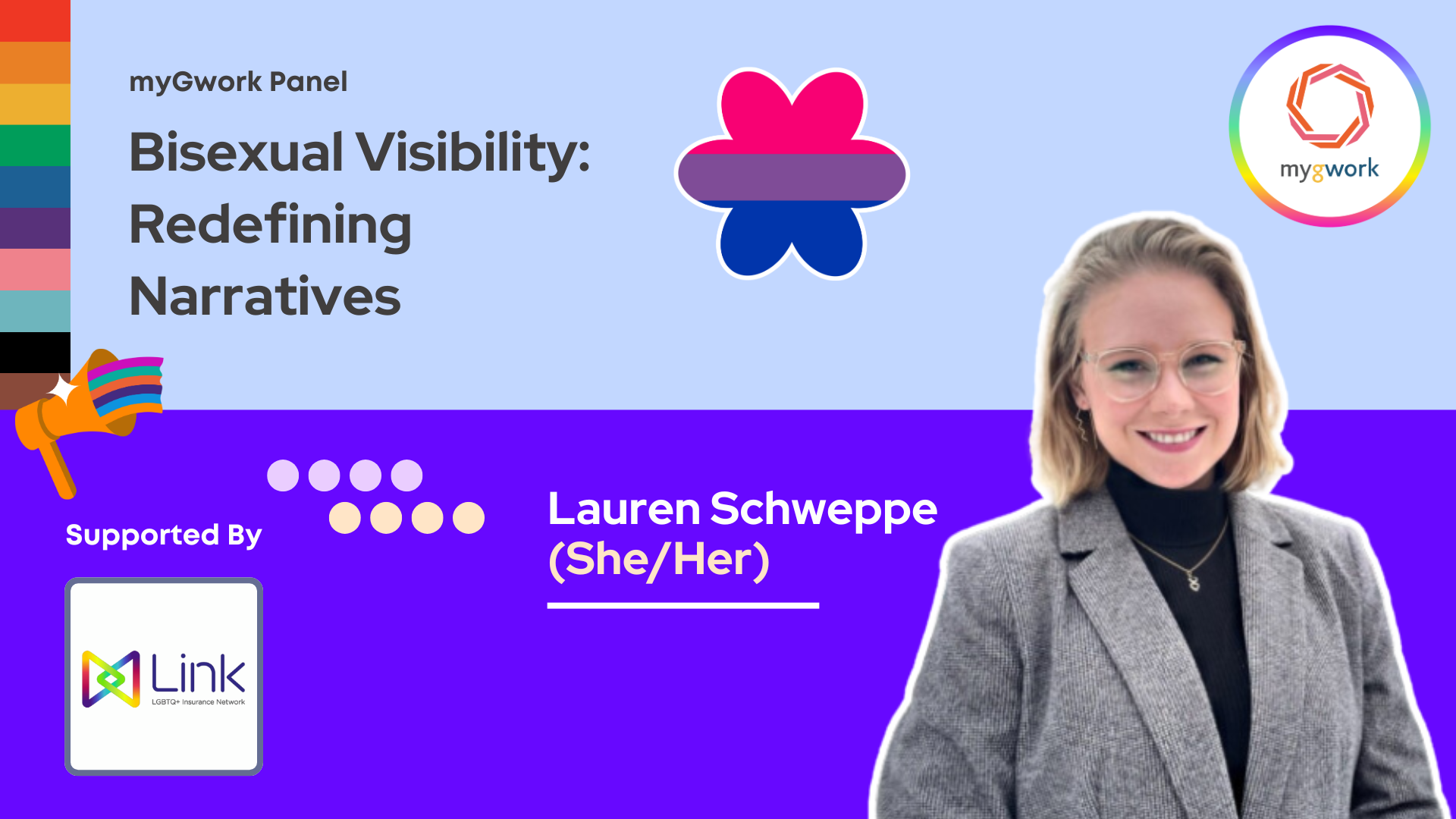
Bisexual Visibility: Redefining Narratives
myGwork is hosting a panel on September 24th on the importance of bisexual visibility in the workplace and beyond. Join us for a discussion on representation, stereotypes, and the experiences of bisexual people in modern society. Sign up for FREE here.