European Court Orders Russia To Allow Same-Sex Unions
January 18, 2023Europe’s top human rights court has told Moscow it must recognize same-sex marriages. The ruling is likely to have little impact in the Russian Federation.
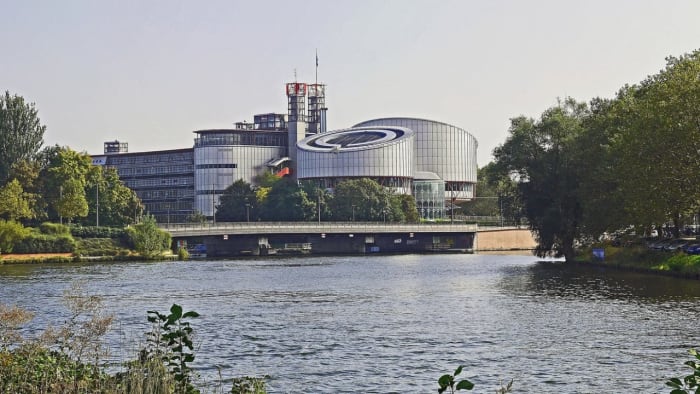
According to Court House News, the European Court of Human Rights sided with three gay couples who had asked for the recognition of their relationships but were denied by Russian authorities, ruling that countries have an obligation to make the legal protections of marriage available to same-sex couples.
“The court holds … that there has been a violation of Article 8 of the Convention,” ruled Judge Síofra O’Leary, president of the court, referring to the court's founding charter.
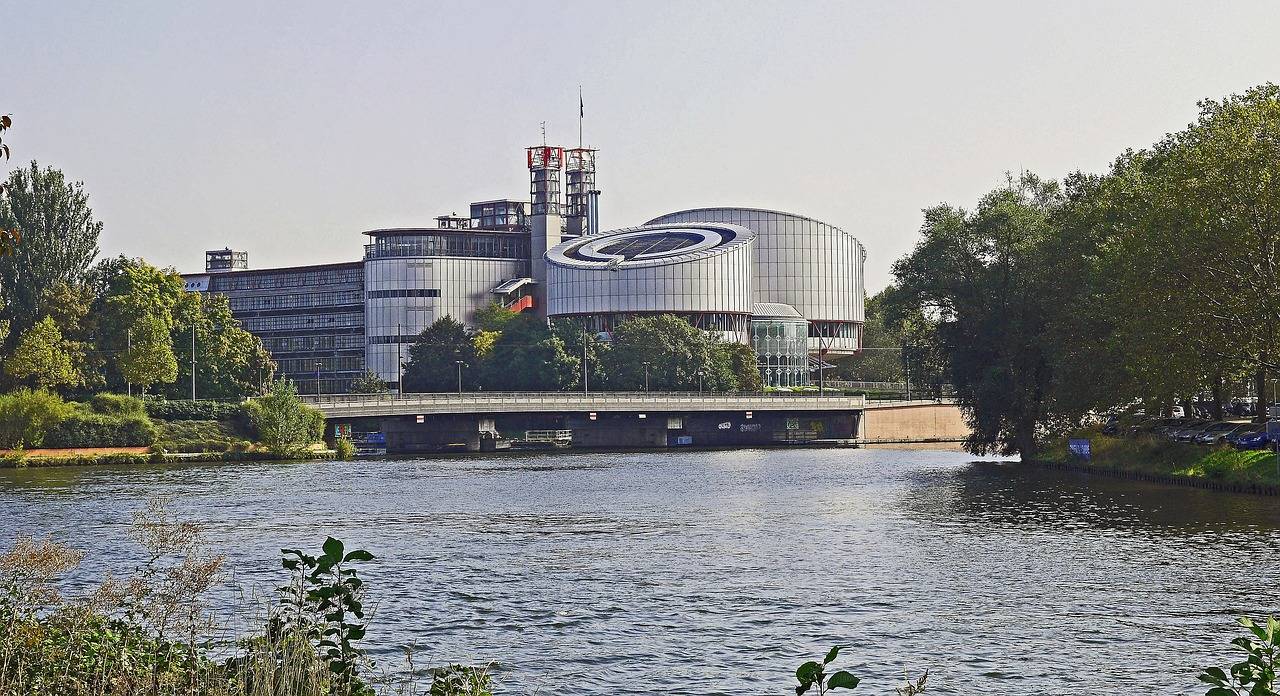 Image Credit: Pixabay
Less than 15 years ago, the court concluded that the European Convention of Human Rights allows for gay marriage but does not require it. However, consensus on the issue has shifted sufficiently that it is no longer optional.
Two lesbian couples and one gay couple had applied at various times between 2009 and 2013 for marriage licenses in Russia. All three couples were denied, with courts citing the Russian constitution as well as various family law statutes as prohibiting all forms of same-sex unions.
In 2021, a lower chamber of the court found that the refusal to legally acknowledge the relationships violated the convention but Moscow appealed. A hearing was scheduled for April 2022 but Russia had been removed from the Council of Europe for its invasion of Ukraine. While the hearing was canceled, the court accepted written arguments from the parties and 16 advocacy organizations.
Russia argued the court would be overstepping its authorities if it created an obligation that was not part of the 1953 treaty. Further, Moscow claimed that most Russians were opposed to same-sex marriage, citing survey data that 69% of its citizens were against any recognition of gay relationships.
The Grand Chamber, however, found that the convention changes as society does.
“The Convention is a living instrument which must be interpreted in the light of present-day conditions,” the judges wrote. The judges found protections for minorities do not rely on the acceptance of the majority.
Moscow claimed that allowing same-sex marriage could negatively impact society and harm the health and morals of minors. The court pointed to another judgment involving Russia, the 2017 decision in Bayev and Others v. Russia, which found that Russian laws preventing the discussion of homosexuality were discriminatory, given that similar laws didn’t exist to prevent the discussion of heterosexuality.
“This is a huge victory for same-sex couples in Europe,” professor Robert Wintemute of King's College London said in a statement. He co-authored the written submissions from the Equal Love campaign, a British advocacy group that fights for the rights of same-sex couples.
The Council of Europe voted to remove Russia last April and, according to the treaty, Russia ceased to be a member of the court as of September. Legally, Moscow is still obliged to follow the court’s rulings for cases that were initiated before it departed but it seems unlikely to do so, as it is currently ignoring several other rulings against it.
Read related myGwork articles here:
Hungary Taken to European Court Over LGBTQ+ Rights
‘Gay Cake’ Legal Challenge Thrown Out By European Court Of Human Rights
European court advises EU countries to recognise same-sex marriages
European Court says UK discriminated against trans woman when denying her pension
Keep up to date with the latest myGnews
Sign up to myGwork
________
LGBTQ+ professionals, LGBTQ+ Graduates, LGBTQ+ professional network, LGBTQ+ professional events, LGBTQ+ networking events, LGBTQ+ Recruitment, LGBTQ+ Friendly organizations, LGBTQ+ Friendly companies, LGBTQ+ jobs