
“I Am Very Afraid,” Says Qatari Trans Woman
December 7, 2022Controversy about Qatar hosting football's World Cup has mostly focused on LGBTQ+ rights in the country and around same-sex relationships being criminalized and trans Qataris can be detained for “violating public morality.” BBC News spoke to two trans Qataris about their lives.
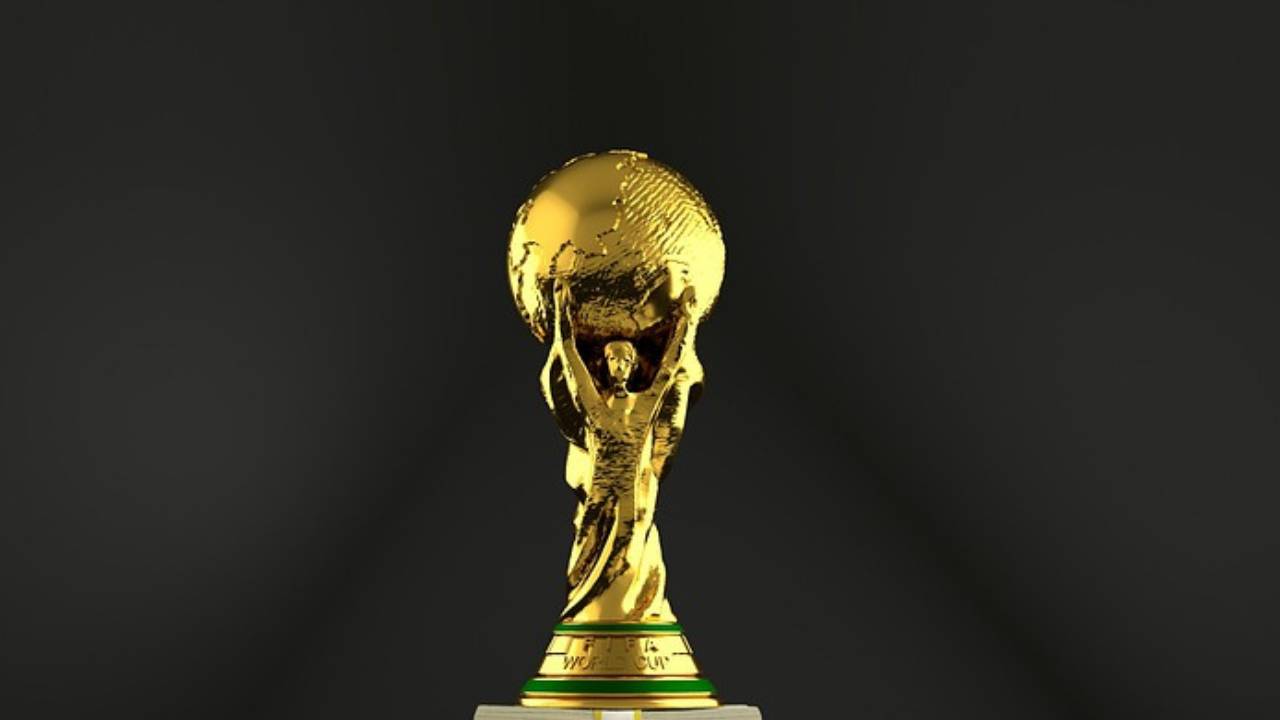
Image Credit: Pixabay
“I am very afraid, but I just want people to know that we do exist,” Shahd says about her decision to speak out about life as a trans woman. Like the other person in this article, we have changed Shahd's name to protect her.
We have been messaging her over an encrypted app for her safety, and she travels away from her home to video call us in secret from a darkened room.
Shahd shows us her hair which she was forced to cut into a masculine style and then unbuttons her shirt to show us wounds on top of her chest. Shahd says the wounds are the consequence of being arrested for “impersonating a woman.” Authorities told her to remove breast tissue that had formed since she started taking estrogen, which she got without prescription from another country.
“I lost my job and my friends,” she says. “I was arrested and interrogated several times because of my identity. I lost everything.”
Qatar is one of more than 60 countries where it is illegal to be gay. In Qatar, homosexual acts are against the law because they are considered immoral under Islamic Sharia law. Punishments include fines, prison sentences of up to seven years and even death by stoning, although there is no record that this has happened.
Police are able to detain someone for up to six months on suspicion of breaking “community protection” laws without trial or charge if they suspect a person has “violated public morality.” Shahd says she is constantly in fear of arrest.
A recent report by Human Rights Watch detailed the arrests of LGBTQ+ people in Qatar and found several trans people were among them, based solely on expressing their gender through clothes, hair or make-up.
Shahd avoids crowded places at busy times of the day, because she feels people stare at her and might report her to the police.
She says she has been arrested for “imitating a woman” while wearing make-up, and describes the government's preventive security department – a branch of Qatari law enforcement – as like a “gang.”
“They capture you and prevent you from telling anyone where you are. The prison is underground where they treat you like a criminal,” she says.
The BBC were unable to independently verify Shahd's account of being arrested because she received no official record of being detained.
Shahd says anyone who has been to prison for similar reasons to her is sent to a doctor for “conversion therapy.” She shows us screenshots of her referrals to sessions at a therapy center in Doha. A Qatari government official denied that the government operates or licenses any “conversion centers.”
“They told me I might go to hell because of this, but I believe God created me the way I am,” she said. “I am a woman. If I could be a man, I would. My life would be much easier.”
Things got so bad for Sara, another trans woman, that she fled Qatar and is now applying for asylum in Europe. She told the BBC how she left everything she knew behind, taking just one bag of belongings and little money.
“I was at my breaking point of either committing suicide or leaving and I decided to leave.”
Sara says she too has been forced through conversion therapy several times. But she does not believe calls to boycott the World Cup over Qatar's laws on homosexuality are productive.
“Many other countries also have these laws, but people are only calling out Qatar and saying Qatar should not be hosting the World Cup.”
Qatar has “categorically rejected” the claims made by Shahd and Sara.
Read related myGwork articles here:
LGBTQ+ Community Can Visit, But Don't Try To Change Us, Says Qatar Minister
Tony Blair Says It's “Not Sensible” For UK To Criticize Qatar's LGBTQ+ Rights
Qatar 'Arrested And Abused' LGBTQ+ People
Peter Tatchell Arrested in Qatar After LGBTQ+ Protest
Keep up to date with the latest myGnews