
India government announces equal opportunity policy for trans people
March 3, 2024The Indian government has announced a first of its kind equal opportunity policy for trans people.
The policy will prohibit the disclosure of a trans person’s gender identity without their consent as the Transgender Persons (Protection of Rights) Rules 2020 requires. The Social Justice and Empowerment Ministry says the Equal Opportunity Policy for Transgender Persons will encourage the fair treatment of trans people and create workplaces free from discrimination, harassment and bias.
The policy seeks to ensure a trans employee’s right to choose a pronoun, gender and a chosen name — every business, non-governmental organisation and other employers in India will be required address the trans individual with the chosen names in all workplace communications. The Indian government, led by Prime Minister Narendra Modi, has circulated the notice to all the states and chief secretaries and asked them to ensure the swift implementation of the policy.
The notified policy highlights the importance of maintaining confidentiality of gender identity.
“Information related to gender identity will be treated with utmost confidentiality,” it reads. “Employees are expected to respect the privacy of their colleagues and refrain from disclosing any such information without explicit consent.”
The policy also states a business’ HR department will launch an inquiry that could lead to sanctions if the policy is violated. The policy also prohibits bullying against trans people in the workplace.
“Harassment or bullying based on gender identity is strictly prohibited,” it reads. “Any reported incident will be promptly and thoroughly investigated, and appropriate corrective actions will be taken.”
Every organisation will have a grievance redress system in order to address policy violations. Workplaces will also be required to have infrastructure facilities for trans employees — unisex bathrooms and amenities that include hygiene products, for example — for trans people to effectively discharge their duties.
Sudhanshu Latad, an advocacy manager at Humsafar Trust, an organisation that promotes LGBTQ+ rights in India, told ‘Washington Blade’ he supports the initiative, while adding a person’s identity does play a role in their experiences.
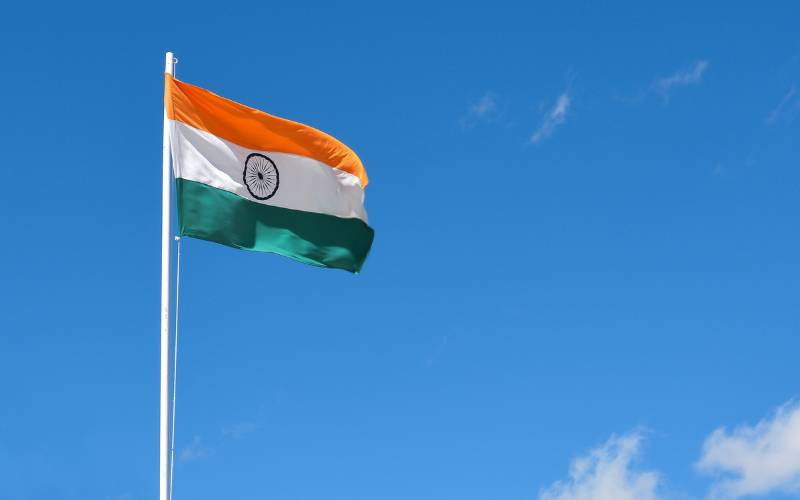
Image Credit: Canva
“The care and support, let’s say in this case a trans person requires will be very different than support a cis woman will require,” said Latad. “They need different short of bases to be covered to be able to perform to the same expectations that a cis man like me would require to perform in a situation or a role.”
“It is important to give everyone an equitable platform, this is a welcome step because it discloses that the government is keen on working with various communities,” he added. “This formal acknowledgement or expression of interest in including gender minorities at workplace by the central government is a welcome move.”
Latad nevertheless told the Blade the policy alone “would not be enough” to address discrimination based on gender identity.
“There needs to be enough focus dissemination of this policy within the existing workforce,” he said. “Until and unless a senior manager from the government understands the use and need of pronouns in the communities … the implementation of this amazing policy will not happen on the ground.”
Latad told the Blade that sensitisation, roundtables and equal dialogue will help unlearn and then learn which is the way forward for providing equal rights to the community. He said the use of chosen pronouns does seem like a small effort, but it does take a lot of effort and it is important. Latad added everyone, not just employers, needs to be taught equality.
Doctor Yoga S. Nambiar, founder and director of Global Rights Foundation and the first trans person in India to hold a PhD in mental health, said the new policy is good. They noted the government has announced many policies since the Supreme Court issued its National Legal Services Authority (NALSA) vs. the Union of India ruling, but they’re only on paper.
“Till the time the government does not take the initiative to take care of the policies, nothing is going to work,” said Yoga. “Government promised housing for trans people, government promised transgender cell in police stations, nothing has came in force as of now. So, if things workout, it’s good, if not, we are struggling anyways. We are fighting for our rights.”
The Supreme Court in the NALSA case in 2014 ruled in favour of the trans community, saying state and central governments must fully recognise trans people under the law in order for them to receive an education and health care without discrimination. The Supreme Court also said trans people will be considered a “third gender.”
Read related myGwork articles here:
India’s Jharkhand state to create welfare board for LGBTQ+ community
Activists Push For LGBTQ+-Inclusive India Penal Code
India’s LGBTQ+ Community Holds Pride March, Raises Concerns Over Country’s Restrictive Laws
India Court Seeks Advice To Make Police More Responsive To LGBTQ+ People
Keep up to date with the latest myGnews