
LGBTQ+ History in Germany: Celebrating 44 Years of Pride
July 27, 2023Germany is currently considered one of the safest and most progressive countries in the world for LGBTQ+ people to live. Ranking in the Top 15 countries in the annual Rainbow Europe Map, the nation is rated highly for its prominent equality legislation, fair social attitudes and general anti-discriminatory regulations. However, LGBTQ+ life in Germany was not always so progressive, and with 14 countries ahead of it in the ranking there are certainly aspects regarding the treatment of the community that it could improve on.
Find out more about the journey towards equal rights Germany went on these past few decades, and the path it still needs to follow to reach authentic inclusivity for the LGBTQ+ community.
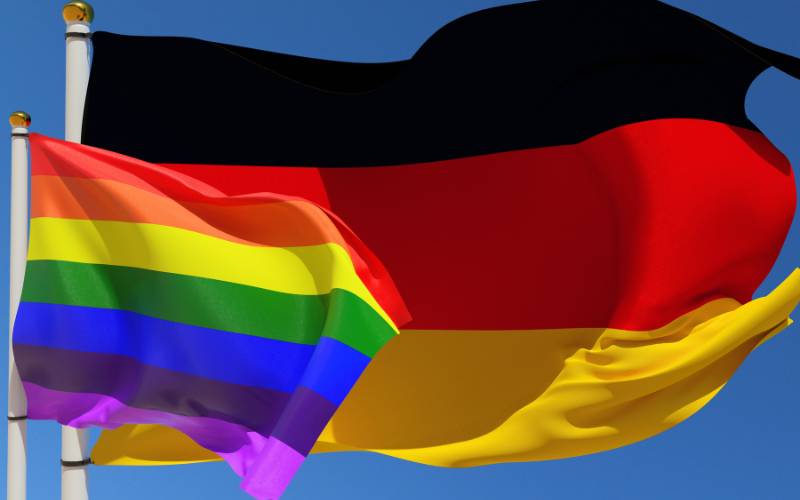
Image Credit: Canva
Political/Social History
Prior to the late 20th century, Germany’s history surrounding the LGBTQ+ community was – like many countries - incredibly hostile. Despite this, in the early 1900s many underground clubs and discreet meetings were held by members of the community, and the laws banning homosexuality were not heavily enforced here. For some time, despite discriminative legislation, Germany was a relatively secure place to identify within the community. However, the 1930s saw any hint of progression take several steps back with the rise of Nazism.
Described as the most severe persecution of the community in recorded history, the extent of abuse, torture and ruthless murder of LGBTQ+ people – particularly homosexual men – was colossal. Prior to the 1930s, convictions of homosexuality saw around 10 people arrested per year. During the rise of Nazism, this figure rose to 8,000 per year within Germany alone, with members of the community sentenced to prison and in many cases, subject to torture and murder in concentration camps.
The lasting impact of this devastating development led to the country retaining a hostile society for LGBTQ+ people, even following the downfall of the Nazi dictatorship. Homosexuality was decriminalized across Germany in 1968 – but still, this did not mean it was safe for LGBTQ+ individuals to be their authentic selves in public at the time. Gradual developments saw equal rights for queer people slowly coming in, such as the very first Pride march in Berlin in 1979, and the age of consent being equalized in 1989. In 2002, sixty years on from the events of World War Two, the German Government finally overturned convictions for homosexuality made during Nazi Germany.
Since then, societal attitudes have shifted and become increasingly accepting of LGBTQ+ people, so much so that Germany is now considered in the Top 15 countries in the world when it comes to queer rights. However, there are still steps to take for the country to reach a level of equality where everyone in the community can feel safe and respected.
Music/Popular Culture
Germany is behind some of the most prominent LGBTQ+ representation in the world. From high profile LGBTQ+ celebrities, to empowering portrayals of same-sex relationships, to record-breaking trans musicians, the country is responsible for incredible contributions to queer progress – particularly in the last 50 years.
Just recently, German singer-songwriter Kim Petras made history with her duet Unholy featuring non-binary pop star Sam Smith, as the first song by a transgender music artist to reach number one on the Billboard Top 100 charts. Her presence in the pop industry has provided many young trans people with a confident, popular artist to look up to.
Roland Emmerich, director and mind behind of some of the world’s biggest blockbuster disaster movies from the late 20th and early 21st centuries including Independence Day, The Day After Tomorrow, Godzilla and 2012, is also openly gay, and a passionate activist for LGBTQ+ rights.
Current Attitudes
According to data from a 2018 report by Stonewall, which detailed the lived experiences of LGBTQ+ people in Germany, the level of respect members of the community can expect depends entirely on intersectional factors.
Markus Ulrich, Communications Officer at Lesben- und Schwulenverband in Deutschland (the Lesbian and Gay Federation in Germany), spoke about the changing attitudes and legislation with regards to LGBTQ+ equality in the country.
“Studies have found that a majority of Germans support equal marriage and are against discrimination towards LGBTQ+ people,” he stated. “In 2017 Germany finally legalized same-sex marriage. The Federal Court also made a ground-breaking decision regarding gender identity: by the end of 2018, the government must legally recognize the existence of more than two genders.”
However, he then described his concern for the statistics on social attitudes towards the presence of LGBTQ+ people in public. “Around 40 per cent of Germans indicated that they find it repulsive to see two men kissing. There are also reservations on including LGBTQ+ topics in educational plans, although a few states have now done so.”
Though Germany has made significant developments over the course of its. It is therefore still as important as ever to celebrate Pride with passion, for allies to show their active support, and to reflect upon our past to make sure our future is safe and secure for the whole LGBTQ+ community.
Test your knowledge on the history of LGBTQ+ Culture in Germany with our quiz!
Get the answers correct and be in with the chance to win a free myGwork goody bag, head over to our Instagram stories to enter!
Which pop singer and songwriter, born in 1992, achieved global acclaim with their debut single "I Don't Want It at All" in 2017? They recently made history as the first transgender artist to win a Grammy Award and reach the number one spot on the Billboard chart with the song "Unholy" featuring Sam Smith, a gender-fluid icon.
A) Kim Petras
B) Anohni
C) Teddy Geiger
Who is the prominent filmmaker known as the "Master of Disaster," whose filmography includes iconic movies like Stargate (1994), Independence Day (1996), and The Day After Tomorrow (2004)? Beyond filmmaking, this individual is recognized for their openness about their sexual orientation, becoming a leading LGBTQ+ advocate and role model.
A) Roland Emmerich
B) Win Wenders
C) Wolfgang Petersen
Who is the flamboyant monarch, born in 1845 in Bavaria, known as the "Fairy Tale King"? Famous for their love for the arts, they became a patron of Richard Wagner and left a lasting architectural legacy with the extravagant Neuschwanstein Castle. Their eccentricity and struggles with homosexuality were brilliantly portrayed in a cult LGBTQ+ film by Master Luchino Visconti.
A) Ludwig II of Bavaria
B) Carloman
C) Conrad I
What is the legendary Berlin nightclub, established in 2004 that has become an institution within the LGBTQ+ community? Located in a former power plant, it consists of three distinct areas and is renowned for its cutting-edge techno music, enigmatic atmosphere, and hedonistic reputation.
A) Berghain
B) El Dorado
C) Anomalie
Born in 1901, this legendary actress, singer, and style icon captivated audiences with her sensual voice, smoky gaze, and androgynous style that defied traditional gender norms. Known for her affairs with both men and women, she continues to inspire and remains an enduring icon of queer representation.
A) Marlene Dietrich
B) Romy Schneider
C) Diane Kruger
Who is the unique figure in the music industry from the 1970s known for their unconventional style and mesmerizing countertenor vocals? They collaborated with Andy Warhol and delivered a memorable performance on Saturday Night Live in 1979. Tragically, their career was cut short by complications from AIDS in 1983, but their legacy continues to inspire artists and musicians.
A) Klaus Nomi
B) Nina Hagen
C) Tokio Hotel
Can you name the German city that served as the world's queer capital in the 1920s, but faced severe homophobic persecution in the 1930s? It experienced a revival in the 1990s, thanks to flamboyant gay Mayor Klaus Wowereit. Today, it attracts young creatives and LGBTQ+ individuals from all around the world.
A) Berlin
B) Munich
C) Nuremberg
Who is the renowned writer, honored with the Nobel Prize in Literature in 1929, known for their exceptional contributions, including the iconic novel "Death in Venice"? This work explores the intense infatuation of an aging writer for a younger man, alluding to the author's own desires, and later inspired a cult LGBTQ+ film by Master Luchino Visconti.
A) Thomas Mann
B) Stefan Zweig
C) Patrick Süskind
Who was the Jewish resistance fighter during World War II who worked undercover as a housekeeper in the Berlin household of a Nazi soldier, only to fall in love with the soldier's wife, Lilly Wust? Their love story, depicted in the film "Aimée & Jaguar" and a book by Erica Fischer, was tragically cut short when she was arrested and deported.
A) Felice Schragenheim
B) Sophie Scholl
C) Ruth Winkelmann
Which German monarch ascended the throne in 1740 and is known as "The Great" for their formidable military victories and promotion of arts and sciences? Despite a challenging childhood marked by harsh treatment, including attempts to toughen up due to perceived effeminacy, this influential figure left a lasting military and cultural legacy.
A) Frederick the Great
B) Otto I the Great
C) Wilhem the Great
Head over to the myGwork Instagram stories to take part and be in with the chance to win one of five goody bags! Answers and winners will be revealed tomorrow (27 July).
Terms and Conditions
1. Eligibility
Users are only eligible for this competition if they meet the criteria specified above. myGwork employees are not eligible to enter this competition. Each user may only enter the competition once. Any fraudulent entries or attempts to circumvent the rules will lead to disqualification of that user’s entries.
2. Claiming Your Prize
The winners of the quiz will receive one (1) myGwork goody bag. If you have won, myGwork will contact you to notify you of your prize. You will be considered to have won if you claim your prize within one week of receiving notice that you have been selected. myGwork is not liable for failure to receive notification of winning under any circumstances. In the event that a prize isn’t claimed or a winner is disqualified, myGwork will draw at random another winner from the eligible entries.
3. Agreement to Rules
By entering this competition, you agree to abide by these rules and the decisions made by myGwork, who retain sole rights to withdraw, refuse, or disqualify entries at discretion. All decisions are final and binding.
4. Rights
myGwork reserves the right to republish and share the name of winners selected from the competition.
5. Terms and Conditions
myGwork reserves the right to modify, suspend, or terminate these rules in the event of unforeseen circumstances or events beyond either myGwork’s control. myGwork reserves the right to disqualify anyone in violation of the terms.
6. Disputes
Any disputes arising under these rules shall be resolved between the two parties in accordance with the terms laid out in these rules.
7. Privacy Agreement
All entry data will be processed in accordance with GDPR rules.
8. Acceptance and Agreement to Rules
By entering this competition, or attempting to enter, the entrant is considered to have reviewed, accepted, and agreed to all rules stated herein and is bound by them.