
New study reveals 10% of Americans have history of bisexual behaviour
March 11, 2024A recent study revealed a substantial increase in the number of Americans who either identify as bisexual or have a history of bisexual behaviour. 9.6% of respondents reported having both male and female partners, over three times more than what was reported in the 1990s.
The study, published by researchers Martin A. Monto and Sophia Neuweiler in The Journal of Sex Research, utilises the General Social Survey dataset, a nationally representative sample of over 32,000 participants. The survey aims to carefully represent each demographic of the United States, and follows up with participants across each successive decade in order to assess how responses may change over time. An additional 2,300 participants were added in the 2021 wave.
The study used a variety of tools to try and measure sexual orientation and prior sexual behaviour. According to ‘LGBTQ Nation’, this includes a question that asks respondents to reply with their sexual orientation – either gay/lesbian/homosexual, bisexual, or heterosexual/straight.
For sexual behaviour, the study asked participants to recall whether their past sexual partners were of the same or a different sex, with additional questions asking about whether their partners were male or female. These responses were narrowed down by the researchers to those who had multiple sexual partners in the past year.
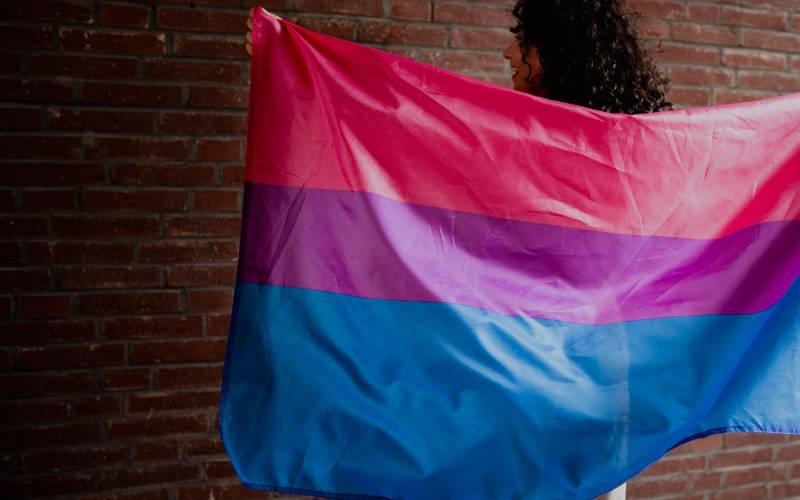
Image Credit: Canva
Using a method called regression analysis, the researchers determined what the relationships were between their measures of sexual orientation and behaviour with gender, assessing how these relationships changed over time. They found that not only were participants more likely to identify as bisexual than in previous years, but that there were more participants identifying as bisexual than gay or lesbian.
However, they found the reverse trend for sexual partners, with more respondents being exclusively of the same sex than those who had both male and female sexual partners. The authors also note that women were more likely than men to report being bisexual or having a history of bisexual behaviour, with men being more likely to report exclusive same-sex behaviour.
In addition, this study also found that young people were more likely to identify as bisexual, with 10% of those below 29 and 12% of those in their 30s identifying as such.
This study reflects the changing landscape of Americans identifying as LGBTQ+. Previous studies have suggested similar trends, with more Americans identifying as LGBTQ+. In those prior studies, bisexuality was also the most frequent orientation behind heterosexuality.
The authors detail how this demographic shift showcases a “loosening of the social norms and institutional enforcement that have privileged heterosexuality over other sexual orientations,” with modern demographics being more accepting of LGBTQ+ individuals than in the past few decades.
They suggest that a reason there may be a discrepancy between identification and behaviour in their results is due to how behaviour may capture those simply exploring their sexuality before coming to a new identity.
In addition, they also point out how “sexual orientation can be fluid, with some people changing their sexual behavior and/or their sexual orientation identities over time.”
Finally, they detail that “even persons who have more recently had partners of both sexes may not consider themselves bisexual, and the term may not fit their understandings of themselves and their sexual behavior.”
The authors conclude by calling for more research that “can better recognise that the terms with which we identify ourselves are social and that there is some degree of choice about how to identify our sexual orientation, particularly among individuals with histories of both male and female partners”.
Read related myGwork articles here:
New Research Finds Bisexual Genes For First Time – And They Are “Reproductively Advantageous”
Scientist Tested Whether People Could Identify Bisexual Men By Listening To Their Voices
More Brits Identify As Lesbian, Gay, Or Bisexual Than Ever Before
Gay And Bisexual Men Earn Less Than Heterosexual Men, Study Finds
5.6% Of American Adults Say They Are LGBT+. Over Half Identify As Bisexual
Keep up to date with the latest myGnews