The ABCs of LGBTQIA+
August 1, 2022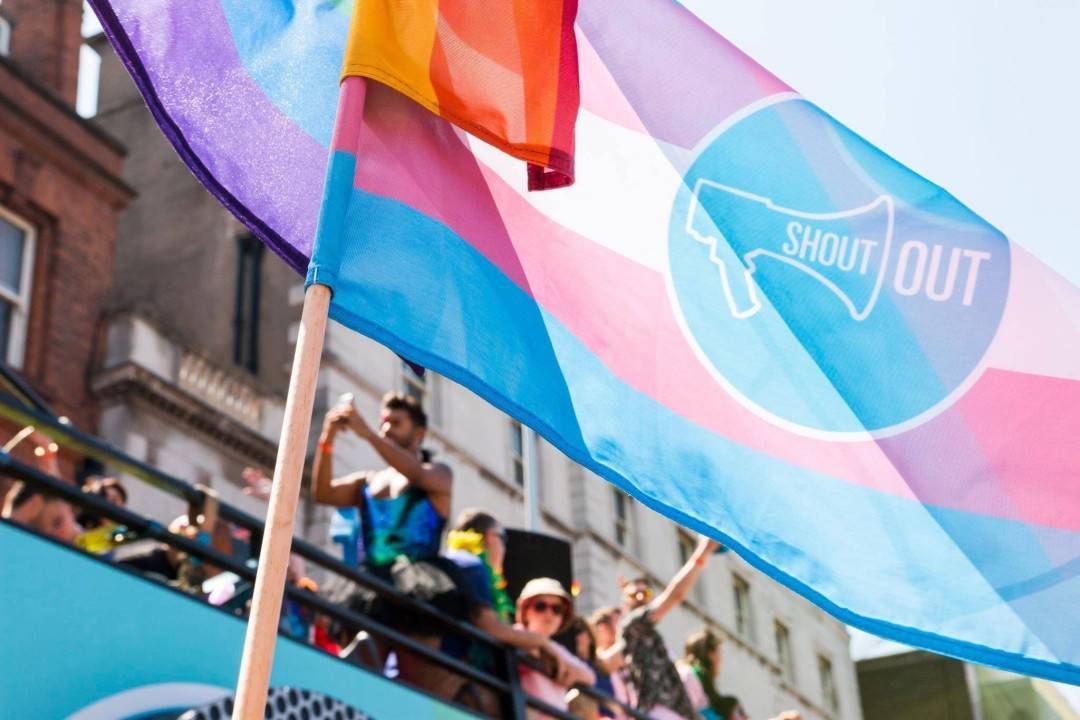
If you’ve experienced queer spaces and cultures over the last decade, you’ve
probably seen the Pride flag evolve with new colours and shapes and the acronym
that describes our community along with it. Perhaps you’ve nailed down what L,
G, B and T stand for but what about the other letters? You might have wondered,
why does this keep getting more complicated?
Not too many years ago, this was me. A newly ‘out’ member of
the LGBTQIA+ community, I’d feel a faint panic that someone would ask me to
explain the meaning of all the letters and a profound sense of guilt that if
they did, I would fail. Was I officially a ‘bad queer’?
The ABCs of LGBT+, a condensed introduction to the key terms
and language of the queer community offered by charity ShoutOut, would have saved me from my days
of hesitant research. A charity committed to educating schools and workplaces
on LGBTQIA+ issues, ShoutOut offers workshops that answer the questions
(queeries?) we might be afraid to ask - and one such session was offered
to Sitecore employees
during Pride month. Alongside definitions of some of the key terms and
language, ShoutOut gave us insights, tips and context on navigating the world
of LGBTQIA+ identities. Here are a few:
- We’re not trying to be confusing by ‘adding letters’ or
describing different dimensions of the LGBTQIA+ experience (promise!). People’s
identities shift and change over time and language evolves to express that.
- We should think about these ‘labels’ as ways people can
understand and express their identities through language. They’re not boxes for
people to fit into, they simply describe some shared experiences.
- Many of the identities are describing points on a spectrum
rather than distinct categories, for example, your sexual orientation may range
from exclusively men to exclusively women, with a lot of space for other
identities in between.
So, what do those letters stand for?
L = lesbian
G = gay
B = bisexual
T = trans or transgender
Q = queer
I = intersex
A = asexual or ace
P = pansexual
The + implicitly recognizes the identities not named
above.
Understanding the letters is just the start though, there’s
a lot more you can do as an ally:
- Take time to understand the definitions for the identities
above and learn more about the challenges and histories of each.
- Make space for friends and colleagues to describe their
identities, listen to what they say and use the terminology (and pronouns) they
do. For example, don’t assume that because one of your friends describes
themselves as ‘queer’ (as I do), it’s ok to refer to other LGBTQIA+ folk in the
same way.
- Don’t ask intrusive questions about someone’s identity, or
any questions at all unless you’re invited to. If you want to understand
something, there are plenty of LGBTQIA+ resources on the internet – you could
start with Stonewall’s
free-to-access glossary and resources.
- Don’t assume you know someone’s sexual orientation or gender
identity from their appearance, actions or relationship status.
- Absolutely celebrate Pride – but do so meaningfully. If you
commit to understanding more about the LGBTQIA+ community, call out instances
of discrimination, and listen to what your LGBTQIA+ friends and colleagues have
to say about where they need support, you’ll likely be welcome at the
parties.
And something I finally figured out: not knowing something doesn’t make you a ‘bad ally’ (or a ‘bad queer’!), as long as you take the time and trouble to go and learn it.
Go visit Sitecore profile for jobs and more HERE.