
The Need for LGBTQ+ Services to Combat Homelessness
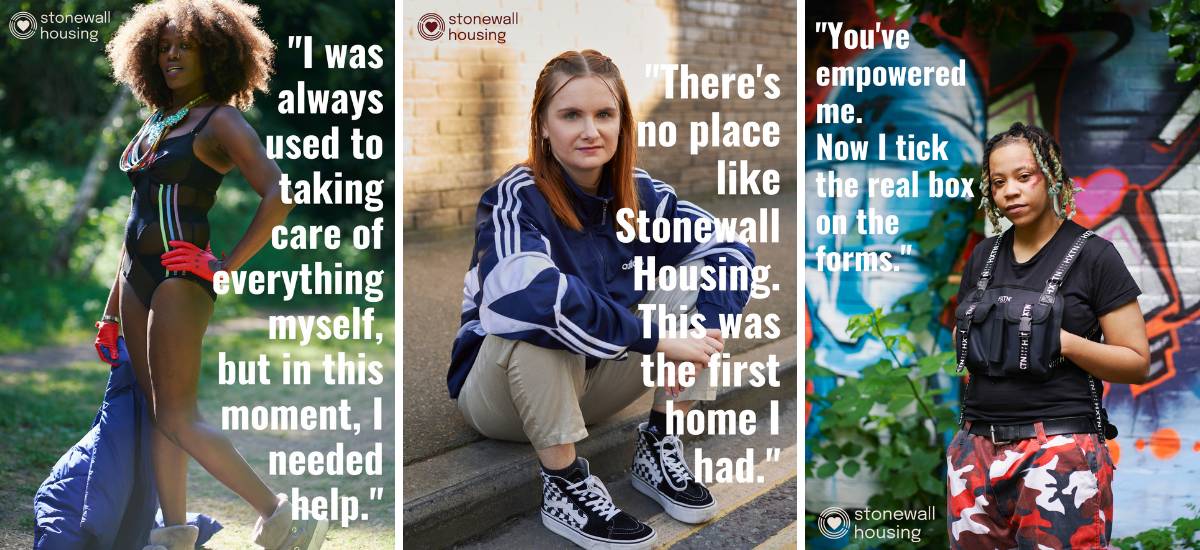
May 16, 2022Stonewall Housing is one of the longest standing LGBTQ+ charities in the UK, they work to ensure lesbian, gay, bisexual and trans people live in safer homes, free from fear, and where they can celebrate their identity and support each other to achieve their full potential. Zoe Schulz from myGwork spoke to Cat Haldane, their Initiatives Manager – recently featured on the Diva 2022 Power List – about their work and the importance of combatting homelessness through an LGBTQ+ lens.
Hi Cat – thank you for chatting with us! Can you tell us a bit about yourself and your career so far?
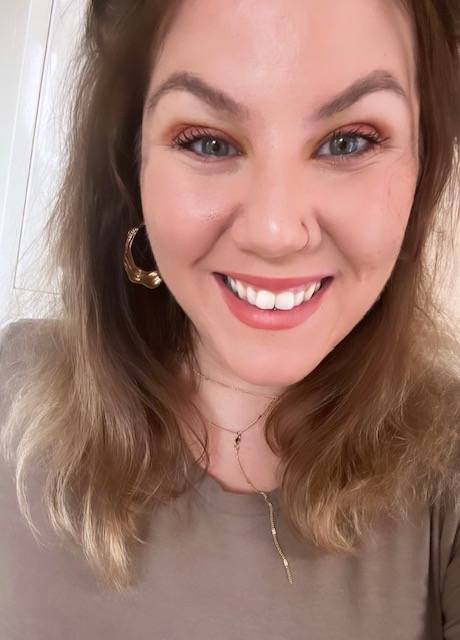
My name is Cat, and my pronouns are she/her. I’m the Initiatives Manager at Stonewall Housing. I’ve over ten years of experience working within the queer charity sector. My roles are usually highly creative, working with people and projects.
I build content and do everything that raises the profile and unrestricted income into Stonewall Housing. So, my role is really diverse, and I work across all types of income generation: community giving, individual giving, corporate giving, events and more.
I’ve worked for Stonewall Housing for several years- I absolutely love it here, and it's a fantastic place to work. Before I moved into this role, I was the Housing Manager of our supported accommodation team and before that, I was a key worker. Then a few years ago, after throwing Stonewall Housing's 35th birthday party, I applied to become the first Fundraising and Initiatives Manager.
And we would love to learn more about Stonewall Housing – can you tell us more about the charity?
Stonewall Housing was founded in 1983 by a group of lesbians and gay men in response to Section 28 and the vast amount of youth homelessness in particular within the queer community. It was the height of Section 28 and the HIV epidemic, and people were flocking to London to find community and jobs. When they got there, they found that it was not as safe or as inclusive as they needed it to be. So, people came together and created this housing co-op, a place for you to rest your head for the night and make a plan. We’re proud to still occupy that house today as an eight-bed house in Islington.
Since then, we’ve grown our services to meet the community’s needs. We now have a national housing advice line, a suite of supported accommodation, mental health advocacy and domestic abuse services for the LGBTQ+ community. We also deliver training on anything LGBTQ+ and housing-related, as well as anything relating to LGBTQ+ customers where you need to go into their homes.
For example, with repair and maintenance operatives in particular, we found that older LGBTQ+ people in particular are going back into the closet when they go into their spaces. People are taking down their flags, removing their wedding photos, and using their dead names to get that appointment over and done with. Our homes should always be a safe space, and as queer people, our homes are our castles. So just training people on how to be in those spaces respectfully is imperative; from how you appropriately ask someone’s pronouns to learning about addressing your unconscious bias in the workplace.
Stonewall Housing’s mission is to create safe spaces for the queer community, however that may look like.
What motivated you to first get involved with this type of work?
I knew I always wanted my work to help people, and I wanted to do that within my community. So, many years ago, I googled queer support services around where I was from, and there was absolutely nothing, but I extended the search wider and found Switchboard. I called them and asked if they knew of any volunteering programs or opportunities within the queer sector and got through to one of their trustees at the time. He said there’s a fantastic organization called Stonewall Housing.
Homelessness is an issue I’ve always been passionate about - ever since I was little! I remember visiting London – I’m from Surrey – and my mum recalls every time I'd see someone homeless in the tube stations, that I always wanted to go and talk to them, always wanted to give them money. So, I feel like it was just such a serendipity moment, a perfect fit for me to work within my community, within homelessness, and to be able to learn so much.
I volunteered at Stonewall Housing for 18 months. I would shadow keyworkers nine to five every day and then pour pints in the evening. And I just waited for the right opportunity to come out to become a key worker myself. I was learning about the different needs of the queer community regarding homelessness and the different risks, which then really elevated me to think about what specialism I wanted to go into.
Being a professional within this sector is a real privilege, and I love that I get to work within our community all day, every day and make it a safer, fairer place for us all.
Do you have any highlights from working with Stonewall Housing?
So many! Just getting to work with young people and extremely vulnerable people can be quite challenging at times. For example, when they leave our services, getting a call, like a year or two later, or an email or a card or something to say, ‘You changed my life’, ‘Thank you’ or ‘You saved me from that toxic relationship. You never know that just one thing you could say to someone could make such a difference and have a long-lasting impact. So working with service users is definitely a highlight.
Then when I was a Housing Services Manager, being able to shape our services to really meet the needs of our community. As years go by, generations change and the needs, wants and expectations of service users change. So, Stonewall Housing has evolved over the 12 years, and I feel like I’ve been part of that change.
Our funding was also cut dramatically, and we’ve had to make ends meet to have our service still work. In 2012 our funding was cut by 57%, and we watched some other truly amazing services close, and we thought we were next. But we stayed open because we knew that we were needed by the community. Being able to work through that to the point where we’re at now where we’re able to expand our services and expand our reach has been really rewarding.
We’re now working with over 2000 people a year, which is phenomenal. It’s been so great to be a part of the journey making Stonewall Housing what it is.
Do you think there is anything currently misunderstood or not known well about the need for safe and secure housing?
I think that what’s unique about Stonewall Housing is that everything that we do is through a queer lens. So, we’re looking for the different needs and vulnerabilities of the queer community that generic services might not notice and manage effectively.
With our supported accommodation, we know that LGBTQ+ 16 to 25 year old’s go through completely different experiences, and are at risk from different things to their straight cisgender peers. Just the same as trans people have a completely different experience of accessing and navigating housing compared to cis people. A 19-year-old cisgender person doesn’t have to think about which deed of name change they need to give to this particular landlord, how they’re going to present when they’re going for viewing whether or not they’re going to be discriminated against because of their gender identity.
So many of our young, queer black men, for example, will go to a viewing for a shared room in a shared house, apply for it and then be told later that day, sorry that rooms are gone, just to see the ad up again over the next few weeks. Can you imagine what that must feel like? Especially when the cost of living is so difficult already.
Navigating finding safe and secure housing with support for your specific needs is vital.
Can you tell us more about the documentary you released this year?
If it's difficult for us to talk about and articulate as professionals in the sector, then it must be even harder for people within different communities and cultures to talk about; which means there's not enough prevention work happening. I also like to convey messages through different types of media, and I thought, “let’s make a film that people can use as a resource and tool to talk about this.”
I wanted to combine the professionals that work in this field and service users, and really shine a light on people that have been doing the work and have been doing the work for a really long time. It features the likes of Lady Phyll, Jayne Ozanne and the House of Rainbow.
The film itself features really difficult topics including conversion therapy, corrective rape, so-called honour-based violence, forced marriage, and how all of these things can lead to homelessness, and these may be very dark topics, but it also shines a light on people who are thriving and living despite this. One of the core messages is you don’t have to choose between your identity, your faith or your culture. There are people and communities able to embrace all these aspects of identity and I think it is really important for people to see examples of that.
Video credit: @lydia_garnett
How do people in need access your services?
You can access our services via our triage service, and you can call us Monday to Friday from 10am to 1pm on 020 7359 5767. You can self-refer via our website or if you’re a professional you can also refer that way. We’re also about to launch a new online chat service so that’s really exciting!
You can follow us on social media and talk to us there, or just check out our website!
How can people and organizations support and get involved with your work?
Contact me! On [email protected] or Cat@stonewallhousing.org